Hope Cross: A Comprehensive Guide to Versatile Digital Design for Cutting Machines
In the rapidly evolving landscape of digital crafting and small business entrepreneurship, the ability to produce high-quality, personalized products is no longer a luxury but a necessity. At the heart of this revolution lies the concept of vector-based design files, with Hope Cross emerging as a significant example of how versatile digital assets can bridge the gap between creative vision and physical reality. Whether you are a seasoned graphic designer, a hobbyist with a Cricut Maker, or a business owner looking to expand your product line, understanding the mechanics and applications of these digital formats is crucial for success.
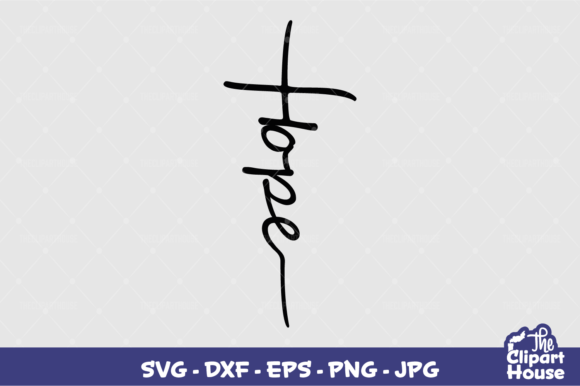
The term "Hope Cross" in this context refers not just to a specific geometric motif, but to the intersection of hope (creative potential) and cross (connectivity across platforms). It represents the seamless integration of design software with hardware cutting machines. This article explores the technical specifications, practical applications, and strategic advantages of utilizing multi-format digital downloads, specifically focusing on the file types that make modern DIY projects possible.
The Anatomy of a Digital Craft File
When purchasing or downloading digital designs, consumers often encounter a bundle of various file extensions. Understanding what each format offers is essential for ensuring compatibility with your specific equipment. The standard comprehensive package typically includes five distinct file types, each serving a unique purpose in the production workflow.
Scalability and Precision: SVG and EPS
The SVG (Scalable Vector Graphics) file is arguably the most critical component for users of consumer-grade cutting machines like Cricut and Silhouette. Unlike raster images, which are made of pixels and become blurry when enlarged, SVGs are built on mathematical equations. This means an SVG file can be resized from a tiny sticker to a large wall decal without any loss in quality or edge sharpness. For intricate designs such as the Hope Cross pattern, the vector nature ensures that every curve and angle remains crisp.
Similarly, the EPS (Encapsulated PostScript) file serves as a professional-grade vector format. While less common in entry-level crafting, it is indispensable for designers who need to edit complex paths in software like Adobe Illustrator or CorelDRAW. If a user needs to modify the thickness of a line or adjust the spacing of letters within the Hope Cross design before sending it to a cutter, the EPS file provides the necessary editable layers that SVGs sometimes lack due to their simplified structure.
Compatibility and Legacy Support: DXF
The DXF (Drawing Exchange Format) is another vector format, originally developed by Autodesk for use in Computer-Aided Design (CAD) software. However, its utility extends far beyond engineering. Many cutting machine software programs, including older versions of Cricut Design Space or certain Silhouette Studio editions, rely heavily on DXF files for their stability and simplicity. Including a DXF file in your download ensures that users with legacy hardware or specific software constraints can still access the Hope Cross design without encountering compatibility errors.
Visual Representation: PNG and JPEG
While vector files dictate where the blade cuts, raster images dictate how the material looks. The PNG (Portable Network Graphics) file included in the package is vital for print-on-demand services and vinyl printing. High-resolution PNGs support transparency, allowing the background of the Hope Cross design to disappear when layered over colored t-shirts or mugs. This is particularly useful for heat transfer printing, where only the image itself should adhere to the fabric.
The JPEG (Joint Photographic Experts Group) file serves as a visual reference. It allows users to preview the design on their computer screens or mobile devices before importing it into cutting software. JPEGs are universally compatible and require no special plugins to view, making them an excellent tool for sharing design ideas with clients or collaborators who may not have access to specialized design software.
Practical Applications Across Industries
The versatility of multi-format digital files like those containing the Hope Cross design allows for application across a wide spectrum of industries. From personal hobbies to commercial manufacturing, the utility of these files is nearly limitless.
Apparel and Fashion Accessories
One of the most popular uses for cutting machine files is custom apparel. Using heat transfer vinyl (HTV) or sublimation paper, creators can apply the Hope Cross design to t-shirts, hoodies, hats, and tote bags. The precision of the SVG file ensures that fine details, such as small crosses or text elements, do not tear during the weeding process. For businesses, this allows for rapid prototyping of new clothing lines without the upfront cost of screen printing setups.
Stationery and Event Planning
The stationery industry has seen a resurgence driven by the demand for personalized wedding invitations, baby shower cards, and corporate branding materials. A digital file set enables designers to create cohesive themes. For instance, the Hope Cross motif can be adapted for religious-themed weddings or memorial services, providing a respectful and elegant touch. The PNG file allows for high-quality printing on cardstock, while the SVG file can be used to cut out decorative borders or shapes from specialty papers.
Business Branding and Marketing
Small business owners benefit immensely from having editable vector files. Imagine a local coffee shop wanting branded coasters or a boutique needing custom packaging labels. By using the DXF or SVG files, entrepreneurs can generate precise cutting paths for die-cut stickers or decals. These materials serve as powerful marketing tools when applied to laptops, water bottles, or storefront windows, creating brand visibility wherever the customer goes.
Technical Considerations for Successful Projects
While the availability of multiple file formats simplifies the creative process, successful execution requires attention to technical details. Users must understand the relationship between file type and material behavior.
Software Compatibility and Conversion
Not all software handles all file types equally well. When opening an SVG file in Cricut Design Space, users might find that some groups are ungrouped or that layers are nested differently than expected. In such cases, converting the file to a DXF or importing the EPS into a more robust editor like Illustrator can resolve layering issues. Educators teaching digital fabrication should emphasize this step, as troubleshooting file structures is a valuable skill for students entering the tech-creative field.
Material Selection and Cut Settings
The Hope Cross design’s complexity dictates the choice of material. Intricate designs with many small internal pieces (islands) work best on stable materials like adhesive vinyl or iron-on vinyl. Delicate materials like tissue paper or thin fabric may cause these small pieces to shift or tear during the cutting process. Furthermore, the blade depth and pressure settings must be calibrated according to the material thickness. A one-size-fits-all approach rarely works; testing a small section of the design is always recommended before committing to a full run.
Resolution and Print Quality
For users relying on the PNG and JPEG files for direct printing, resolution is paramount. A low-resolution image will result in pixelated prints, especially when scaled up. Professional designers ensure that their raster exports are at least 300 DPI (dots per inch) at the final print size. This ensures that the Hope Cross design remains sharp and clear, whether it is being printed as a business card or a large banner.
The Future of Digital Crafting
As technology advances, the line between digital design and physical production continues to blur. The rise of automated home manufacturing systems suggests that the demand for clean, well-structured vector files will only increase. Platforms that offer comprehensive file packages, including SVG, PNG, JPEG, EPS, and DXF, are positioning themselves at the forefront of this movement.
Moreover, the sustainability aspect of digital crafting cannot be overlooked. By producing items on-demand rather than mass-producing inventory, creators reduce waste. The ability to instantly download and print a design like Hope Cross means that resources are used only when there is actual demand, aligning with eco-conscious practices favored by modern consumers.
Conclusion
The value of a digital design file lies not just in its aesthetic appeal, but in its functional versatility. The inclusion of multiple formats—SVG, PNG, JPEG, EPS, and DXF—ensures that the Hope Cross design can be utilized by anyone, regardless of their technical expertise or equipment level. From the hobbyist cutting out holiday ornaments to the professional designing a brand identity, these files provide the foundation for creativity. By understanding the strengths of each format and applying them correctly, users can unlock the full potential of their cutting machines, turning simple digital concepts into tangible, high-quality products.
Whether you are looking to start a side hustle, enhance your classroom projects, or simply express your personal style, mastering the use of these digital assets is a rewarding endeavor. The Hope Cross design serves as a testament to the power of accessible technology, proving that with the right tools and knowledge, anyone can bring their creative visions to life.