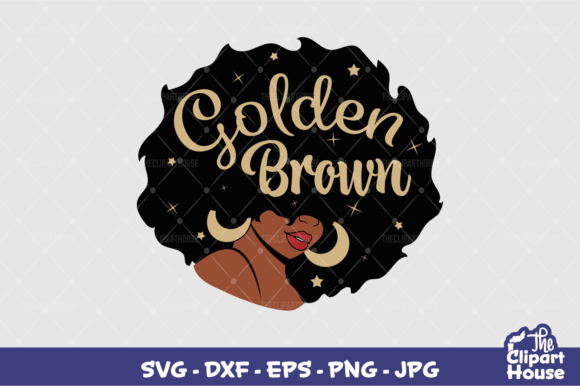
Golden Brown: A Comprehensive Evaluation of Design Versatility and Cutting Machine Compatibility
In the realm of digital crafting and DIY design, selecting the right asset is often as critical as the machine used to bring it to life. Golden Brown has emerged as a distinct aesthetic choice for creators looking to add warmth, elegance, and a touch of vintage sophistication to their projects. This color palette, characterized by its rich, earthy tones and metallic sheen, offers a unique alternative to standard black, white, or neon designs. For users operating Cricut, Silhouette, and other popular cutting machines, understanding the technical and creative implications of working with Golden Brown designs is essential for achieving professional results.
This analysis explores the practical applications, file format requirements, and comparative advantages of utilizing Golden Brown assets in various crafting contexts. By examining the specific needs of heat transfer printing, sticker production, and stationery design, crafters can make informed decisions about whether this style aligns with their project goals and technical capabilities.
The Aesthetic and Technical Profile of Golden Brown Designs
Golden Brown is not merely a single hex code but a category of warm, amber-hued tones that range from light tan to deep bronze. In the context of digital cutting files, these designs are prized for their ability to mimic luxury materials such as gold leaf, brass, or antique copper without the associated cost or mess. The visual weight of Golden Brown provides a strong contrast against lighter backgrounds while offering a softer, more inviting appearance than stark black outlines.
When evaluating design options, it is important to distinguish between flat color fills and intricate line art. Golden Brown designs often feature detailed cut lines that require precise machine calibration. The complexity of the design interacts directly with the material properties; thicker cuts may lose definition if the blade pressure is not adjusted correctly. Therefore, the suitability of a Golden Brown design depends heavily on the user’s familiarity with their cutting machine’s settings and the specific material being used.
File Format Analysis and Software Compatibility
A significant advantage of modern digital craft assets is the variety of formats provided. For those utilizing Golden Brown designs, receiving a comprehensive package ensures compatibility across different software ecosystems. The standard suite typically includes SVG, PNG, JPEG, EPS, and DXF files, each serving a distinct purpose in the workflow.
Vector Files: SVG and EPS
The SVG (Scalable Vector Graphics) file is the primary format for Cricut Design Space and Silhouette Studio. It allows for infinite scaling without loss of quality, which is crucial when resizing a design from a small jewelry tag to a large wall decal. Similarly, the EPS (Encapsulated PostScript) file serves as a robust vector format compatible with Adobe Illustrator and CorelDRAW. For advanced users who wish to modify the internal structure of a Golden Brown design—such as separating layers for multi-material application—the EPS file offers greater control over path nodes and grouping.
Raster Images: PNG and JPEG
While vector files are ideal for cutting, raster images play a vital role in printing. The PNG (Portable Network Graphics) file, particularly one with a transparent background, is indispensable for heat transfer vinyl (HTV) workflows. It allows the designer to preview exactly how the Golden Brown shape will appear on a garment before committing to the cut. The JPEG file, though compressed, is useful for quick reference or for use in print-on-demand services that accept image uploads for direct-to-garment printing.
Cutting Formats: DXF
The DXF (Drawing Exchange Format) is widely supported by older versions of Silhouette software and various CNC routing programs. Including a DXF file ensures that users who do not have access to the latest software updates can still utilize the Golden Brown design. However, users should note that complex curves in DXF files may sometimes require simplification upon import to ensure clean cuts.
Application Scenarios: From Apparel to Stationery
The versatility of Golden Brown extends across multiple product categories. Understanding where this design style excels helps users maximize the value of their purchase.
- Heat Transfer Printing and Apparel: When applied to clothing, Golden Brown HTV creates a subtle yet premium look. It pairs exceptionally well with neutral fabrics like cream, beige, olive green, and navy blue. Unlike bright colors that may fade quickly under UV exposure, the earthy tones of Golden Brown tend to maintain their integrity over time. However, users must be cautious with dark fabrics; while Golden Brown stands out on light backgrounds, it may lack contrast on charcoal or black shirts unless a high-opacity vinyl is selected.
- Stickers and Decals: For sticker production, the combination of SVG and PNG files allows for both die-cut shapes and printed graphics. Golden Brown works well for branding elements, such as logos on packaging or decorative stickers for water bottles. The warm tone evokes feelings of comfort and reliability, making it a strategic choice for businesses in the coffee, bakery, or artisanal goods sectors.
- Stationery and Invitations: In the realm of paper crafts, Golden Brown designs are frequently used for wedding invitations, thank-you cards, and party supplies. When paired with textured cardstock or embossed paper, the design gains depth and tactile appeal. The inclusion of a JPEG file facilitates easy integration into desktop publishing software for layout adjustments.
- Business Cards and Jewelry Tags: Small-scale applications benefit from the precision of cutting machines. Golden Brown tags attached to handmade jewelry or soap bars convey a sense of craftsmanship. The compact size requires sharp blades and clean mats to prevent tearing, highlighting the importance of maintaining equipment alongside selecting the right design.
Comparative Considerations and Tradeoffs
When comparing Golden Brown designs to other popular styles, several factors come into play. For instance, compared to traditional black designs, Golden Brown offers a warmer aesthetic that can feel more approachable and less severe. However, this warmth comes with a tradeoff in terms of visibility on certain substrates. Black vinyl provides maximum contrast on almost any background, whereas Golden Brown requires careful selection of base colors to ensure legibility.
In comparison to metallic foil transfers, standard Golden Brown HTV or adhesive vinyl is more accessible and cost-effective. Foil transfers often require specialized printers and laminating sheets, adding steps to the production process. Standard vinyl cutting, enabled by the provided SVG and DXF files, streamlines the workflow for hobbyists and small business owners alike. The primary limitation of standard vinyl is the lack of true metallic sparkle, although newer glitter and holographic variants of Golden Brown can mitigate this to some extent.
Another consideration is the learning curve associated with color matching. Digital screens display colors differently than physical materials. A Golden Brown design on a monitor may appear brighter or darker than the actual vinyl roll. Users should invest in sample packs to test opacity and shade accuracy before committing to large production runs. This step is crucial for maintaining brand consistency, especially in commercial applications.
Decision Factors: Is Golden Brown Right for You?
Selecting a Golden Brown design is most beneficial when the project calls for an elegant, rustic, or luxurious feel. It is an excellent choice for seasonal themes, particularly autumn and winter holidays, where warm tones resonate with the cultural atmosphere. Additionally, brands aiming to project stability, heritage, and quality will find this color palette aligns well with their identity.
Conversely, readers seeking high-visibility warning signs, neon aesthetics, or minimalist monochrome designs may find Golden Brown less suitable. If the goal is to create bold, eye-catching graphics for outdoor signage where readability is paramount, high-contrast colors like red, yellow, or black might be more effective.
Furthermore, the availability of multiple file formats means that users with varying levels of technical expertise can engage with the content. Beginners can rely on the ready-to-cut SVG files in Cricut Design Space, while advanced designers can manipulate the EPS and DXF files for custom modifications. This flexibility reduces the barrier to entry and enhances the long-term utility of the asset.
Practical Tips for Execution
To ensure success with Golden Brown designs, proper preparation is key. Always weed excess material carefully, as fine details in golden hues can be fragile. Use low-tack tape to secure delicate sections during the transfer process. When using heat presses, adhere to the recommended temperature and time settings for the specific vinyl type, as overheating can cause the adhesive to bleed or the color to darken unevenly.
For digital printing applications, ensure that the printer profiles are calibrated to reproduce warm tones accurately. Soft-proofing the design on screen before printing can help anticipate final output variations. Finally, always store unused vinyl away from direct sunlight to prevent fading, preserving the rich character of the Golden Brown finish.
Conclusion
Golden Brown represents a sophisticated and versatile option for digital crafters and designers. Its compatibility with major cutting machines, combined with a diverse array of file formats, makes it a valuable addition to any creator’s library. By understanding its aesthetic strengths, technical requirements, and ideal use cases, users can leverage this design style to produce high-quality, visually appealing products. Whether enhancing apparel, creating bespoke stationery, or developing brand identities, Golden Brown offers a balanced blend of elegance and practicality that meets the demands of modern DIY projects.