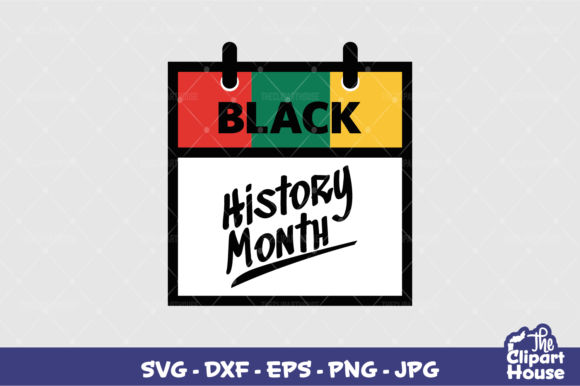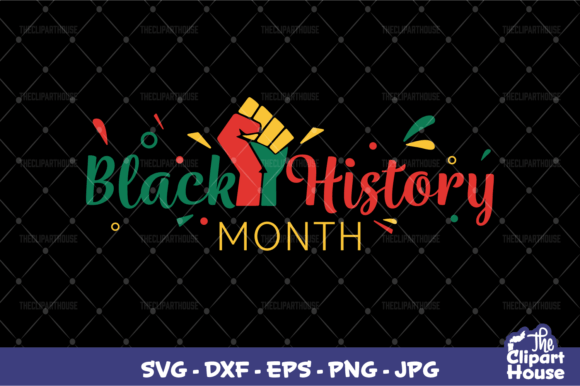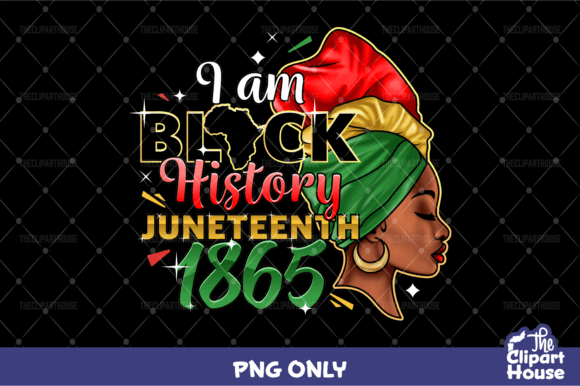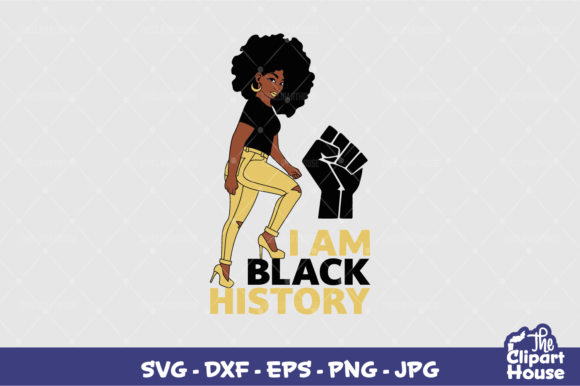
Celebrating Black History Month
Black History Month is more than a calendar date; it is a dedicated period for reflection, education, and celebration of the contributions, achievements, and resilience of Black individuals throughout history. For creators, designers, and small business owners, this observance offers a profound opportunity to connect with audiences on a deeper level through meaningful visual storytelling. Whether you are designing for educational institutions, launching a themed product line, or simply looking to honor heritage in your personal projects, integrating design elements that respect and highlight this history can create powerful impacts.
The intersection of historical appreciation and modern digital fabrication tools like Cricut and Silhouette has opened new avenues for expression. These cutting machines allow users to transform digital designs into tangible objects—from custom apparel and stickers to professional stationery and party supplies. This guide explores how to approach these projects with intention, ensuring that your designs are not only visually striking but also culturally respectful and effective.
The Significance of Intentional Design
When creating content for Black History Month, the goal is to move beyond superficial aesthetics. It is essential to understand the narratives behind the symbols, colors, and figures you choose to represent. Design serves as a bridge between past and present, allowing communities to see their stories reflected in everyday items. For educators, this might mean creating classroom materials that spark conversation. For entrepreneurs, it could involve launching limited-edition collections that support causes or celebrate specific historical milestones.
Effective design requires research. Before opening your vector editing software, consider the themes you wish to highlight. Are you focusing on civil rights leaders? The Harlem Renaissance? Contemporary Black excellence in science and technology? Each theme offers a distinct visual language. By grounding your design choices in accurate historical context, you ensure that your work resonates authentically with your audience. This approach builds trust and demonstrates a genuine commitment to the subject matter, which is crucial for maintaining credibility in both personal and commercial spaces.
Leveraging Cutting Machines for Versatile Projects
Tools like Cricut and Silhouette have democratized the ability to produce high-quality, customized designs. These machines excel at precision cutting, making them ideal for a wide range of applications. The versatility of these devices means that a single well-crafted design can be adapted across multiple mediums, maximizing the return on your creative effort.
Apparel and Wearable Art
One of the most popular uses for digital cut files is heat transfer vinyl (HTV) on clothing. T-shirts, hoodies, and tote bags serve as walking canvases for messages of empowerment and history. When designing for apparel, consider the placement and scale of your graphics. Bold typography paired with iconic imagery often works best for streetwear-style designs, while intricate illustrations may suit more artistic, gallery-inspired pieces. Ensure that your color palette complements the fabric color, using contrast to make key elements pop. Remember to test your designs on scrap material first to perfect temperature and pressure settings.
Stationery and Business Branding
For professionals and bloggers, Black History Month is an excellent time to refresh brand assets. Custom stickers, business cards, and letterheads can incorporate subtle nods to the month’s themes without overwhelming the professional aesthetic. Think about using gold foil accents, deep blues, and rich earth tones to convey elegance and depth. Digital cut files allow for precise die-cut shapes, such as stars, masks, or abstract representations of unity, which can add a unique touch to marketing materials. Consistency in branding during this period shows alignment with community values and enhances customer engagement.
Digital Assets and Online Presence
Design is not limited to physical objects. Website banners, social media graphics, and email headers benefit from timely, relevant visuals. High-resolution PNG files are particularly useful here because they support transparency, allowing your designs to blend seamlessly over any background color. JPEGs are suitable for compressed images where file size is a concern, while SVG and EPS files provide scalable vectors that maintain quality regardless of size adjustments. By offering these varied formats, you ensure that your designs are accessible for both print and digital use.
Practical Applications and Project Ideas
To help you get started, here are several practical project ideas that leverage the capabilities of cutting machines and digital design files:
- Party Supplies and Invitations: Create custom invitations for Black History Month galas, book clubs, or community gatherings. Use DXF or SVG files to cut cardstock into elegant frames or borders. Incorporate quotes from influential figures to set the tone for the event.
- Jewelry and Accessories: Small-scale designs can be cut from thin wood, acrylic, or metal sheets to create pendants, earrings, or keychains. These items make thoughtful gifts and souvenirs. Focus on simple, recognizable symbols that convey strong messages without requiring complex assembly.
- Educational Posters: Teachers can design large-format posters highlighting key dates, figures, or concepts. Using bold fonts and clear imagery ensures readability from a distance. These can be printed on standard paper or cut from vinyl for durable display in classrooms.
- Home Decor: Stencils made from cut files can be used for painting murals or decorating furniture. Wooden signs with layered vinyl text add a rustic yet polished look to home offices or living spaces.
Technical Considerations for Best Results
Receiving your design files typically involves downloading a zip archive containing multiple formats: SVG, PNG, JPEG, EPS, and DXF. It is important to extract these files using a reliable unzipping program before attempting to upload them to your cutting software. Each format serves a specific purpose:
- SVG (Scalable Vector Graphics): Ideal for Cricut and Silhouette machines. These files retain editable paths, allowing you to resize and modify colors without losing quality.
- PNG (Portable Network Graphics): Best for printing if your machine does not support vector cutting, or for use in graphic design software like Photoshop. Transparent backgrounds are a key feature.
- JPEG (Joint Photographic Experts Group): A standard image format for viewing and basic editing. Note that JPEGs do not support transparency and may lose quality upon repeated saving.
- EPS (Encapsulated PostScript): Useful for professional printing services and compatibility with Adobe Illustrator. It preserves vector data for high-end production.
- DXF (Drawing Exchange Format): Often used by laser cutters or older cutting machine software. It provides a universal vector format for various fabrication tools.
Always check the layer structure of your SVG files in your design software. Complex designs may require grouping or ungrouping elements to ensure accurate cutting. If you are new to these tools, start with simpler designs to familiarize yourself with the workflow. Experimentation is key to mastering the nuances of different materials and machine settings.
Conclusion
Celebrating Black History Month through design is a meaningful way to honor heritage and inspire change. By utilizing versatile digital files and modern cutting technologies, creators can produce impactful work across a variety of mediums. Whether you are crafting a heartfelt gift, launching a business campaign, or educating others, your designs have the power to tell stories that matter. Approach each project with respect, creativity, and attention to detail, and you will contribute to a richer, more inclusive cultural narrative.