Black History Month Design Ideas for Makers
Designing for Black History Month is more than just placing a symbol on a canvas; it is an exercise in storytelling, cultural appreciation, and visual communication. For creators using cutting machines like Cricut or Silhouette, this period offers a unique opportunity to produce meaningful work that resonates deeply with communities. Whether you are designing for a local school fundraiser, a boutique clothing line, or personal home decor, the goal is to create pieces that honor history while celebrating contemporary Black excellence.
The beauty of digital design files lies in their versatility. A single concept can transform from a vinyl decal on a laptop to a heat transfer graphic on a t-shirt, or even a delicate sticker for a journal. This flexibility allows small business owners and hobbyists alike to test markets quickly and efficiently. By understanding the nuances of these designs, you ensure that your output is not only visually striking but also culturally respectful and commercially viable.
Understanding the Cultural Context in Design
Before diving into technical execution, it is essential to grasp what makes Black History Month significant. It is a time dedicated to recognizing the contributions of African Americans to US history and culture. However, modern interpretations often expand this scope to celebrate global Black heritage, innovation, art, and resilience. When you approach design with this broader perspective, you move beyond clichés and toward authentic representation.
For educators and bloggers, this means creating materials that spark conversation. For entrepreneurs, it means building brands that align with values of inclusivity and empowerment. The key is to avoid generic imagery and instead focus on specific narratives. Are you highlighting historical figures? Celebrating current artists? Or perhaps showcasing everyday moments of joy and community? Each angle requires a different visual language.
Versatile Formats for Every Creator
The files provided in this collection are designed to be as adaptable as your imagination. You will receive a comprehensive package including an SVG file, a PNG file, a JPEG file, an EPS file, and a DXF file. This variety ensures that no matter your preferred workflow or end product, you have the right tool for the job.
- SVG Files: Ideal for vector-based cutting machines like Cricut and Silhouette. These files allow you to scale your design infinitely without losing quality, making them perfect for large banners or detailed decals.
- PNG Files: Perfect for digital use, such as website graphics, social media posts, or print-on-demand services that accept raster images. The transparent background option is particularly useful for layering designs.
- JPEG Files: A standard format for quick previews or simple printing tasks where transparency is not required.
- EPS Files: Essential for professional graphic designers who need to edit vectors in software like Adobe Illustrator. This ensures maximum control over typography and shapes.
- DXF Files: Compatible with a wide range of CAD and laser engraving software, opening up possibilities for wood or acrylic crafts.
To access these files, simply unzip the downloaded folder using any standard compression program. This step is straightforward and ensures that all assets are ready for immediate use in your design software.
Creative Applications and Project Ideas
Once you have your files extracted, the possibilities for application are vast. Here are several practical ways to utilize these designs across different mediums.
Apparel and Wearable Art
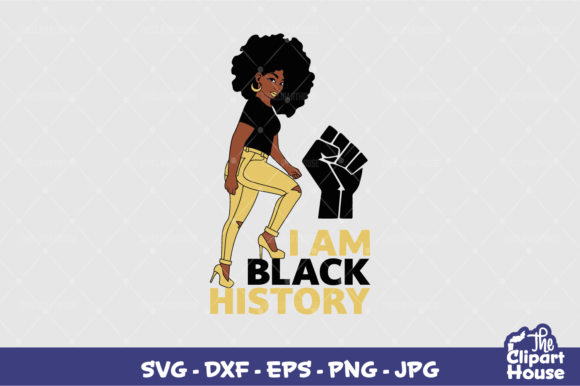
Heat transfer vinyl (HTV) is one of the most popular uses for SVG files. Create limited-edition t-shirts, hoodies, or tote bags that feature powerful quotes or stylized portraits. For a more sophisticated look, consider using sublimation on polyester fabrics, which allows for full-color prints derived from the PNG or JPEG versions. When designing for clothing, remember that readability is key. Ensure that text is legible and that the contrast between the design and the fabric color is strong.
Stationery and Invitations
Small business owners and event planners can leverage these designs for party supplies. Imagine elegant invitations for a Black History Month gala, complete with custom stickers that seal the envelope. Stationery sets, including letterheads and business cards, can incorporate subtle design elements that reflect the theme without being overwhelming. This is an excellent way for freelancers and publishers to showcase their brand identity during this important month.
Digital Products and Social Media
In today’s digital-first economy, visual content drives engagement. Use the PNG files to create eye-catching Instagram stories, Pinterest pins, or YouTube thumbnails. Bloggers can use these graphics to break up text-heavy articles, adding visual interest and shareability. If you sell digital planners or templates, integrating these designs can attract a niche audience looking for themed resources.
Home Decor and Accessories
Stickers are a low-cost, high-impact way to enter the market. Apply them to water bottles, laptops, or mirrors. For a more permanent touch, use the DXF or SVG files to cut wood signs or acrylic blocks for desk organization. Jewelry makers can even use the intricate details of the design to inform metalwork or enamel pin creations, bridging the gap between digital art and physical craftsmanship.
Best Practices for Professional Results
To ensure your projects stand out, consistency and clarity are paramount. When adapting a design for different formats, always check the scaling. A design that looks balanced on a small sticker may become cluttered when enlarged for a banner. Use the vector files (SVG/EPS) to adjust proportions as needed.
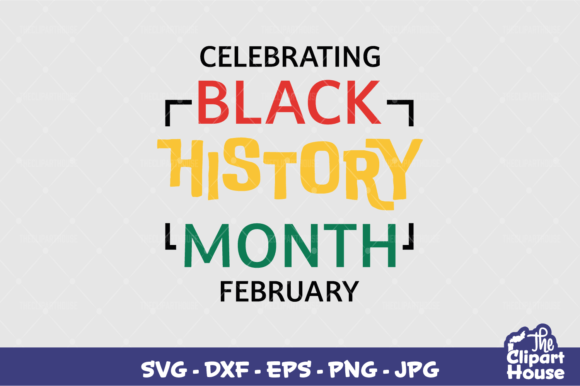
Color selection plays a crucial role in conveying the right message. While traditional palettes might include red, black, and green, don’t be afraid to experiment with modern tones that reflect contemporary aesthetics. However, always remain mindful of the cultural symbolism associated with certain colors. Test your designs in black and white first to ensure the composition holds up without relying on color alone.
Organization is another critical factor. Keep your project folders tidy, labeling each file type clearly. This not only saves time during the creation process but also makes it easier to manage orders if you are selling physical products. Clear communication with your audience about the origin and meaning of your designs can also build trust and loyalty.
Conclusion
Black History Month provides a powerful platform for creative expression. By combining historical reverence with modern design techniques, you can create products that educate, inspire, and connect. Whether you are a seasoned pro or just starting out with your cutting machine, the ability to adapt these versatile files allows you to reach diverse audiences in meaningful ways. Embrace the opportunity to tell stories through design, and let your creativity honor the rich tapestry of Black history and culture.