Juneteenth Afro Woman 3: A Strategic Asset for Digital Crafters and Brand Builders
In the landscape of digital design and small-scale manufacturing, the distinction between a simple graphic and a strategic asset lies in its versatility and cultural resonance. Juneteenth Afro Woman 3 is not merely an image; it is a comprehensive design file package engineered for integration into diverse creative workflows. Whether you are a solo entrepreneur launching a limited-edition clothing line, a marketer planning heritage month campaigns, or a hobbyist organizing community events, this specific design offers a robust foundation for execution. The value of such assets is determined by their compatibility with standard cutting machines and their adaptability across multiple print mediums.
This article examines how to effectively incorporate Juneteenth Afro Woman 3 into your production pipeline. We will explore the technical specifications, workflow integration strategies, and quality control measures necessary to maximize the utility of these files. By understanding the mechanics of digital-to-physical conversion, creators can ensure that the final output aligns with professional standards while honoring the significance of the Juneteenth holiday.
Understanding the File Ecosystem and Compatibility
The effectiveness of any digital design depends heavily on the formats provided. The Juneteenth Afro Woman 3 package includes five distinct file types: SVG, PNG, JPEG, EPS, and DXF. Each format serves a specific function within the broader process of design and production. Understanding when to use which file prevents errors during the cutting or printing phase.
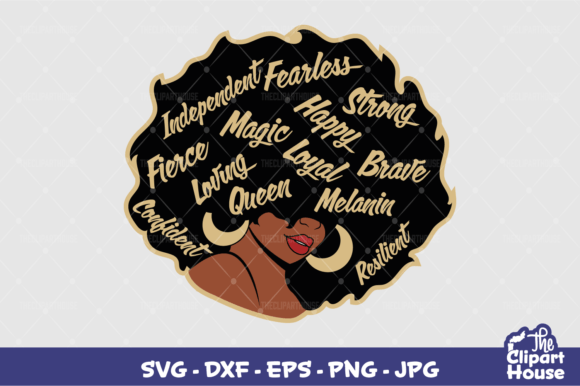
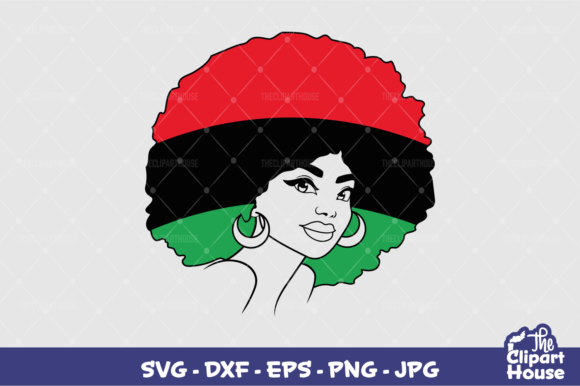
The SVG (Scalable Vector Graphics) file is the primary asset for users of Cricut, Silhouette, and similar electronic cutting machines. Unlike raster images, vectors are mathematically defined, allowing them to be scaled to any size without losing resolution. This is critical when creating large banners or small jewelry tags from the same source file. When importing the SVG into design software like Cricut Design Space or Silhouette Studio, the machine interprets the paths as cut lines rather than pixel data. This ensures clean edges and precise replication of the Afro Woman 3 silhouette.
For users relying on heat transfer vinyl (HTV) or sublimation printers, the PNG file is equally vital. Provided in high resolution, typically with a transparent background, the PNG allows for seamless layering over existing designs. It is ideal for iron-on applications where the design needs to adhere directly to fabric without a visible border. The JPEG file serves as a quick-reference preview or a low-bandwidth option for web uploads, though it lacks the transparency required for complex layering.
The EPS and DXF files cater to more advanced vector editing workflows. If you need to modify the node structure of the design in Adobe Illustrator or Inkscape before sending it to a plotter, these formats provide the necessary editability. The DXF file, in particular, is often used for laser cutting or engraving machines that do not support SVG natively. By retaining access to these varied formats, you future-proof your inventory against changes in hardware or software preferences.
Workflow Integration for Different Business Models
Integrating Juneteenth Afro Woman 3 into your business operations requires a tailored approach depending on your role. For small business owners producing physical goods, the workflow begins with material selection. HTV requires testing for adhesion strength on different fabrics, while sublimation demands polyester-rich materials to ensure color vibrancy. The design’s intricate details must be mirrored before printing if using transfer paper, a step that is easily overlooked but essential for correct orientation.
Marketers and educators may utilize the PNG and JPEG files for digital distribution. These formats are optimized for email newsletters, social media graphics, and website headers. Because the design captures a powerful visual narrative, it can serve as a focal point for educational content regarding African American history. In this context, the design acts as a visual anchor, drawing attention to text-heavy information. Ensuring the file is compressed appropriately for web use without sacrificing clarity is a key part of this digital workflow.
Hobbyists and party planners often focus on stationery and event supplies. Here, the versatility of the file pack shines. You can use the SVG to cut custom stickers for favor bags or invitations. The ability to scale the design means one file can produce both miniature sticker sheets and large table centerpieces. This scalability reduces the need to purchase multiple design variations, streamlining the procurement process and reducing waste.
Preparation and Quality Control Protocols
Before moving to the production stage, several preparatory steps ensure consistency and quality. First, always extract the downloaded zip file using reliable software to prevent corruption. Once extracted, verify the integrity of the SVG by opening it in your cutting software. Check for stray nodes or overlapping paths that could cause the machine to cut incorrectly. Cleaning up the vector art at this stage saves time and material later.
When preparing for heat transfer printing, mirroring the image is non-negotiable for most transfer methods. However, some modern direct-to-film processes do not require mirroring. Consult your printer’s manual to determine the correct protocol. Additionally, test prints on scrap material are crucial. They allow you to adjust temperature, pressure, and dwell time settings specific to your machine and the substrate you are using. This trial-and-error phase is an investment in long-term efficiency, as it minimizes failed products and customer returns.
For sticker production, consider the die-cut shape. The Afro Woman 3 design likely has contours that lend themselves well to contour cuts. Ensure your cutting blade is sharp and calibrated for the thickness of the sticker paper. Dull blades can tear delicate vinyl, ruining the aesthetic appeal of the final product. Regular maintenance of cutting tools is a practical habit that directly impacts the perceived quality of your brand.
Strategic Use Cases and Long-Term Value
The relevance of Juneteenth Afro Woman 3 extends beyond the immediate holiday period. Its thematic depth allows for year-round application in contexts celebrating Black excellence, heritage, and identity. Entrepreneurs can integrate this design into evergreen product lines, such as tote bags, mugs, or digital planners. By treating the design as a core component of your brand identity rather than a seasonal novelty, you build a more cohesive and authentic market presence.
In terms of organizational efficiency, categorizing your digital assets by theme and format is recommended. Store the Juneteenth Afro Woman 3 files in a dedicated folder alongside other heritage-themed designs. This makes retrieval faster during peak planning seasons. Tagging files with metadata such as "cutting," "printing," and "heritage" enhances searchability within your design software libraries.
Furthermore, consider the collaborative aspect of this resource. If you work with a team, clear documentation on how each file type should be used prevents confusion. Define standard operating procedures for file handling: who edits the SVG, who prepares the PNG for web, and who manages the print queue. Clear roles and responsibilities streamline the transition from concept to completion.
Conclusion on Practical Implementation
The true power of Juneteenth Afro Woman 3 lies in its adaptability. It is not just a static image but a multi-format toolkit designed for modern creation. By leveraging the strengths of each file type—SVG for precision cutting, PNG for versatile printing, and vector formats for customization—you can execute projects with greater confidence and efficiency. Whether you are producing physical merchandise, digital content, or event materials, this design supports a wide range of professional and personal goals. Successful implementation relies on preparation, technical accuracy, and a clear understanding of your end-user’s needs. When approached with these principles, the design becomes a valuable asset that enhances both your workflow and your audience’s experience.